
Mold in Air Ducts: Signs, Causes, and When Professional Mold Testing May Be Needed
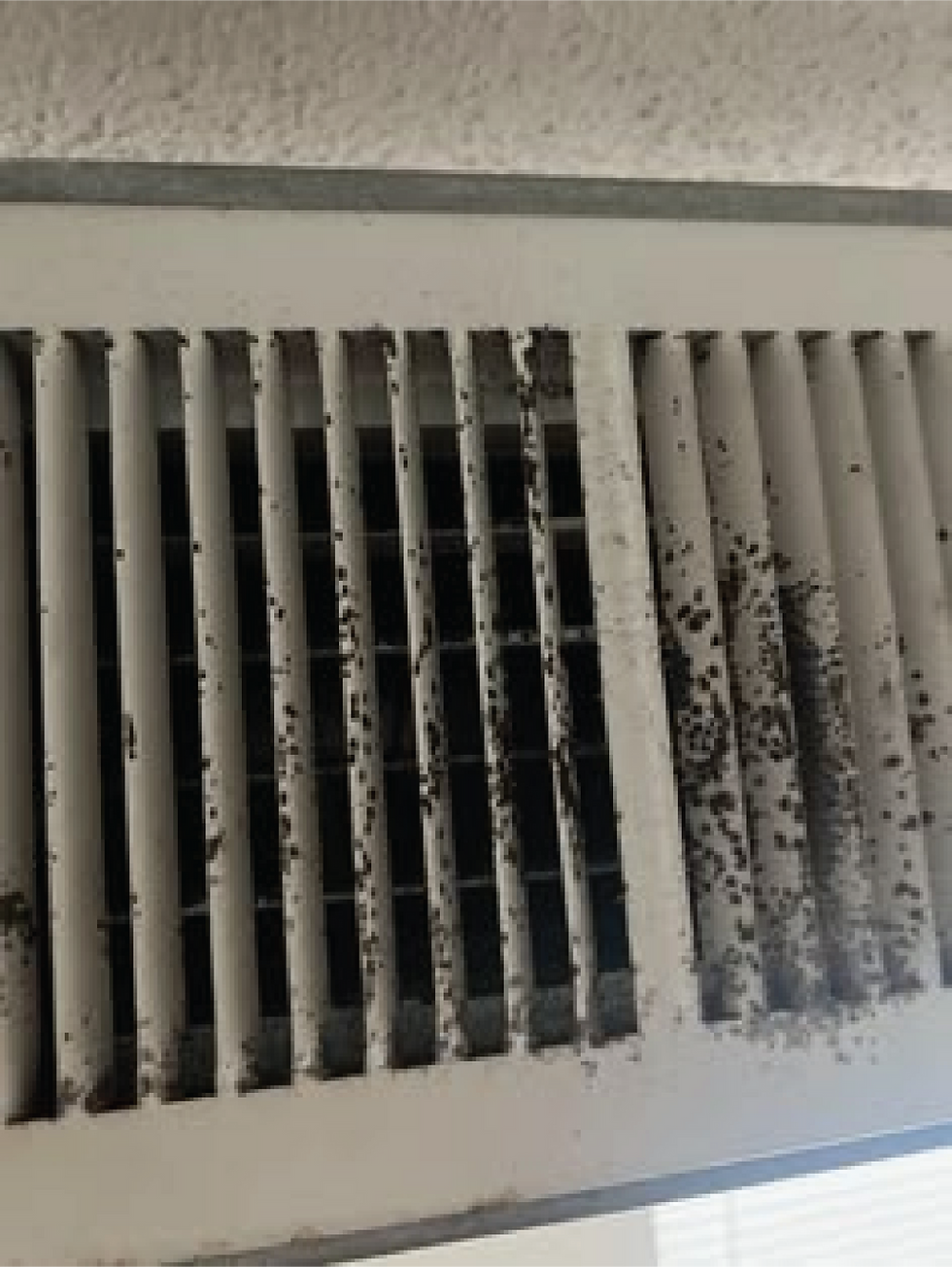
Mold growth inside HVAC ductwork is a problem many homeowners never see — but that doesn’t mean it isn’t affecting indoor air quality. Because your heating and cooling system moves air throughout your home, mold inside ducts has the potential to circulate airborne particles and odors throughout the entire living space.
Many homeowners first notice something is wrong when they detect a persistent musty smell, experience worsening allergy symptoms, or begin questioning why indoor air simply doesn’t feel as clean as it should.
At Quality Environmental Testing (QET), we perform professional mold and indoor air quality testing throughout Lockport and surrounding Chicagoland communities. Understanding what causes mold in duct systems — and recognizing the warning signs early — can help prevent larger indoor air quality concerns.
Why Does Mold Grow Inside Air Ducts?
Mold requires three things to thrive:
Moisture
Organic material
Time
While most people think of mold growing on walls or ceilings, HVAC systems can sometimes create ideal conditions for growth.
Common causes include:
High Humidity Levels
Elevated indoor humidity creates excess moisture throughout a home. When humidity remains high for extended periods, moisture can accumulate within duct systems and HVAC components.
Basements, crawl spaces, and homes with poor humidity control are particularly vulnerable.
Condensation Inside Ductwork
One of the most common causes of duct-related mold problems is condensation.
When warm humid air contacts cooler duct surfaces, water droplets can form. Over time, repeated condensation events create a damp environment where mold may begin developing.
This often occurs in:
Unconditioned attics
Basements
Poorly insulated ducts
Areas with temperature fluctuations
Leaks Within the HVAC System
Damaged duct connections, insulation problems, roof leaks, plumbing issues, or HVAC system leaks can introduce moisture where it should never be.
Even small amounts of water intrusion can create long-term moisture problems hidden inside walls and duct systems.
Dust and Debris Buildup
Dust inside air ducts doesn't just affect HVAC efficiency.
Dust contains organic material that mold can feed on once moisture becomes present. When debris accumulates over time, it creates an environment where growth can establish more easily.
Signs You May Have Mold in Your Air Ducts
Because ductwork is hidden behind walls, ceilings, and floors, mold growth often goes unnoticed.
However, several warning signs can suggest a problem:
Persistent Musty Odors
A strong earthy or musty smell that becomes more noticeable when your furnace or air conditioner turns on may indicate microbial growth somewhere within the HVAC system.
Odors that seem strongest near supply vents should never be ignored.
Increased Allergy Symptoms Indoors
Some homeowners report:
Sneezing
Nasal congestion
Coughing
Eye irritation
Headaches
Asthma flare-ups
Symptoms that worsen while indoors or while HVAC equipment is operating can indicate an indoor air quality issue requiring further evaluation.
Visible Staining Around Registers or Vents
Dark staining, moisture marks, or visible growth around vent covers may indicate excessive moisture or possible contamination nearby.
Visible mold around vents doesn't necessarily confirm widespread contamination—but it can signal conditions worth investigating.
Uneven Airflow or HVAC Performance Changes
Restricted airflow, poor system performance, or unusual HVAC behavior sometimes occurs when debris or contamination affects the system.
Although airflow issues alone do not confirm mold, they can accompany underlying moisture concerns.
Why Mold in Ductwork Matters
Mold growth inside HVAC systems isn't simply a cosmetic issue.
Because ducts distribute air throughout the home, contaminants can potentially affect multiple rooms simultaneously.
Potential concerns include:
Indoor Air Quality Issues
When HVAC systems operate, particles and contaminants may circulate throughout the home.
Poor indoor air quality may contribute to:
Increased allergy symptoms
Irritation of eyes and throat
Respiratory discomfort
Odor problems
Hidden Moisture Problems
Mold often acts as a warning sign.
If mold develops inside ductwork, the larger issue may actually be hidden moisture from leaks, insulation deficiencies, humidity problems, or ventilation concerns.
Finding the moisture source matters just as much as identifying the mold itself.
Reduced HVAC Efficiency
Excess debris and moisture inside HVAC systems can affect airflow and system performance over time.
Systems working harder than necessary may experience:
Increased wear
Reduced efficiency
Higher utility costs
Professional Mold Testing for HVAC Concerns
Because mold inside ductwork is often hidden, visual inspection alone rarely tells the complete story.
At Quality Environmental Testing, professional mold and indoor air quality evaluations may include:
Indoor and outdoor comparison air samples
Quantitative spore trap analysis
Moisture meter assessments
Infrared camera inspections
Evaluation of hidden moisture conditions
Identification of areas requiring additional investigation
This testing approach helps determine whether elevated mold conditions may exist and whether moisture issues are contributing to indoor air quality concerns.
As a testing-only company, QET provides unbiased results focused on identifying potential issues—not selling remediation work.
How to Reduce the Risk of Mold Growth in Air Ducts
Prevention often starts with moisture control.
Helpful steps include:
✓ Maintain indoor humidity below approximately 60%✓ Replace HVAC filters regularly✓ Address plumbing or roof leaks quickly✓ Schedule routine HVAC maintenance✓ Improve ventilation in moisture-prone areas✓ Investigate persistent musty odors early
Small issues can become larger indoor air quality problems if moisture remains unaddressed.
Final Thoughts
Mold inside ductwork often remains hidden until symptoms or odors become difficult to ignore. Understanding the warning signs and addressing moisture concerns early can help protect indoor air quality and prevent more significant problems down the road.
Need Professional Mold Testing?
If you suspect mold in your home, don't rely on guesswork. A professional inspection and laboratory analysis can determine whether mold is present, identify the types of mold found, and help you understand the extent of the problem.
Quality Environmental Testing (QET) has been providing trusted mold inspections and testing since 2002.


Comments