
The Hidden Dangers of DIY Mold Removal: Why Professional Mold Testing Should Always Come First
Updated: Jul 15

You found mold in your home.
Like many homeowners, your first instinct might be to grab a bottle of bleach, put on a mask, and try to handle the problem yourself. After all, how hard can it be to clean a little mold?
Unfortunately, mold contamination is rarely as simple as what you can see on the surface.
At Quality Environmental Testing (QET) Lockport, we've seen countless situations where do-it-yourself mold cleanup temporarily removed visible mold only for the problem to return weeks or months later. In some cases, DIY efforts actually spread mold spores throughout the home, creating a larger and more expensive problem.
Before you attempt mold removal, it's important to understand why professional mold testing should always be the first step.
Mold Is Often Bigger Than What You Can See
Visible mold is usually only a small part of the problem.
Mold thrives anywhere moisture is present, including:
Behind drywall
Inside wall cavities
Under flooring
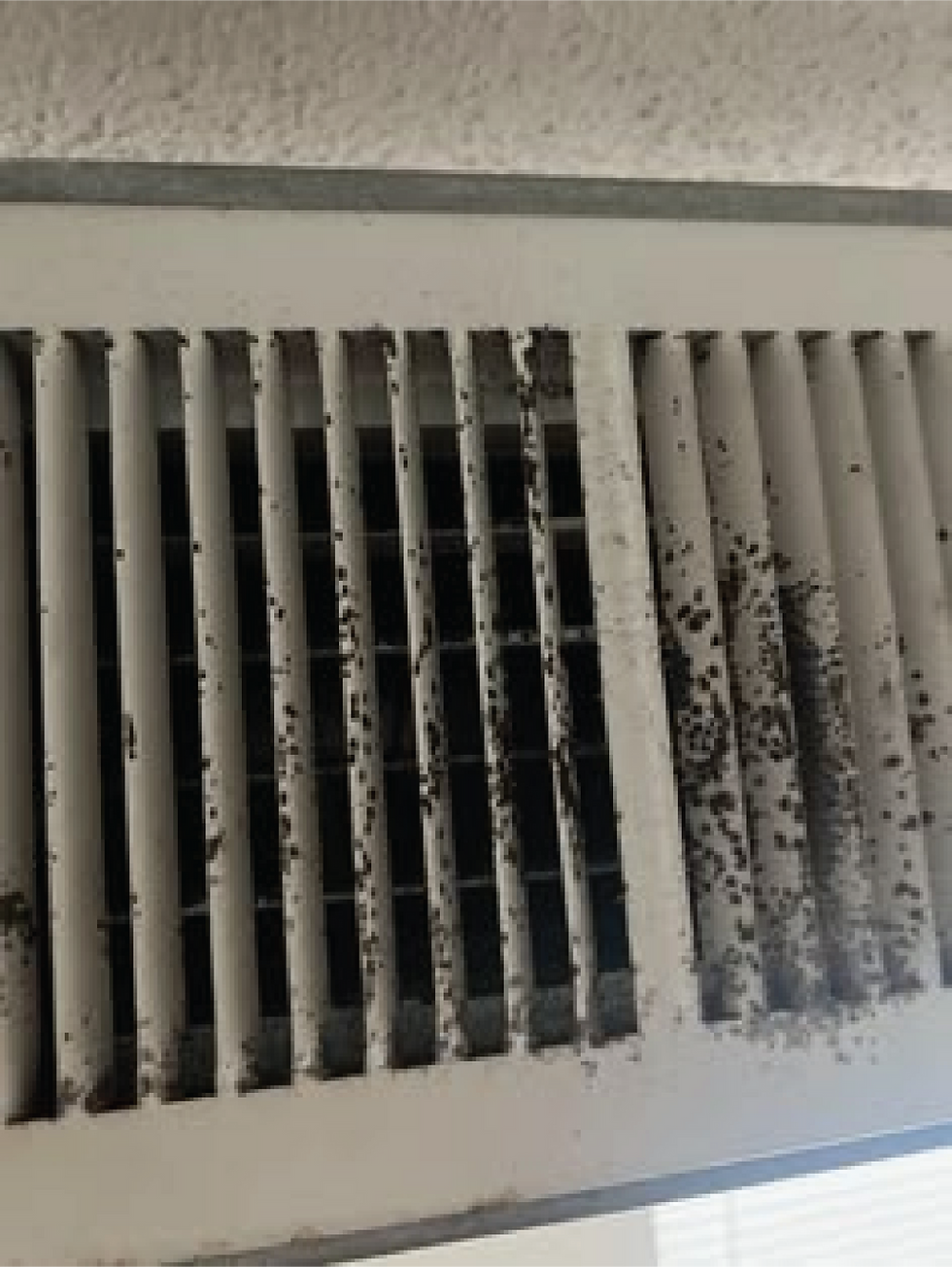
Inside HVAC systems
Beneath carpeting
In crawl spaces
Around plumbing leaks
Inside attics
Many homeowners clean the visible growth while the actual source remains hidden. As long as moisture exists, mold can continue growing out of sight.
Professional mold testing helps determine the extent of contamination before remediation begins.
DIY Mold Removal Can Spread Spores Throughout Your Home
Mold reproduces by releasing microscopic spores into the air.
When mold is disturbed during cleaning, those spores can become airborne and travel throughout the home. Without proper containment procedures, homeowners may unknowingly spread contamination into previously unaffected areas.
Spores can settle on:
Furniture
Clothing
Carpeting
HVAC ductwork
Curtains and blinds
Personal belongings
What started as a small mold issue in one room can quickly become a whole-house problem.
Mold Exposure May Impact Indoor Air Quality
Mold contamination isn't just a property issue—it can affect indoor air quality and the people living inside the home.
Individuals exposed to elevated mold levels often report symptoms such as:
Persistent coughing
Throat irritation
Runny nose
Watery eyes
Sneezing
Skin irritation
Headaches
Fatigue
Increased asthma symptoms
Children, seniors, and individuals with respiratory conditions may be especially sensitive to mold-contaminated environments.
Professional testing can help identify elevated airborne mold levels and determine whether indoor conditions differ significantly from outdoor baseline levels.
Why Bleach Isn't the Solution
One of the most common misconceptions is that bleach kills all mold.
While bleach may remove surface staining on non-porous materials, it often fails to address mold growing inside porous materials such as drywall, wood, insulation, or carpeting.
Even worse, cleaning the visible growth may create a false sense of security while the underlying moisture problem remains untouched.
The real solution is identifying:
Where moisture is coming from
How extensive the contamination is
What materials have been affected
That's where professional testing becomes critical.
Professional Mold Testing Provides Answers
At Quality Environmental Testing, we focus exclusively on testing and assessment.
Because we do not perform remediation, our recommendations are unbiased and based solely on the conditions found during the inspection.
Our assessments may include:
Air Sampling
Air samples measure airborne mold spores and compare indoor levels to outdoor conditions.
Surface Sampling
Surface testing can help identify mold growth on building materials and personal belongings.
Moisture Investigation
Using specialized equipment, moisture intrusion can often be identified before significant damage occurs.
Indoor Air Quality Evaluation
A comprehensive evaluation can help determine whether mold may be affecting the air quality inside your home.
The Importance of Finding the Source
Mold is not the root problem—moisture is.
Without correcting the source of moisture, mold will almost always return.
Common causes include:
Plumbing leaks
Foundation seepage
Roof leaks
Condensation issues
Poor ventilation
High indoor humidity
Professional testing helps identify these contributing factors so they can be addressed properly.
Protect Your Home, Your Investment, and Your Family
Mold contamination can affect property value, indoor air quality, and peace of mind.
Before spending money on cleaning products or attempting DIY mold removal, invest in professional mold testing. Understanding exactly what you're dealing with allows you to make informed decisions and avoid costly mistakes.
At Quality Environmental Testing, we provide independent mold testing and indoor air quality assessments throughout Lockport and the surrounding Chicagoland communities.
If you suspect mold in your home, start with the facts.
Start with professional testing.
Need Professional Mold Testing?
If you suspect mold in your home, don't rely on guesswork. A professional inspection and laboratory analysis can determine whether mold is present, identify the types of mold found, and help you understand the extent of the problem.
Quality Environmental Testing (QET) has been providing trusted mold inspections and testing since 2002.


Comments